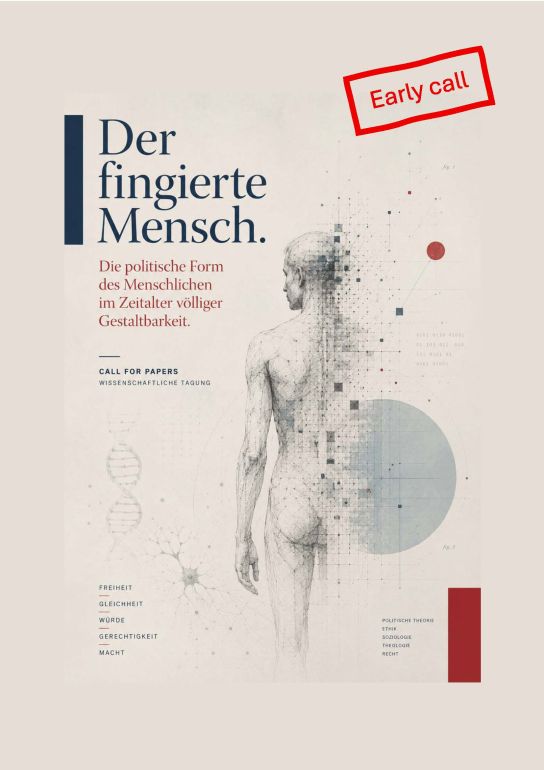
Call for Papers: The Fabricated Human
The 2027 Annual Conference of the German Society for the Study of Political Thought (DGEPD) will explore how technological developments and the increasing malleability of human beings are transforming the fundamental concepts of political thought.
The conference takes as its starting point a scenario set in the year 2072, in which bodies, consciousness, and identity have become technologically available, modifiable, and dependent on new infrastructures. It will examine the potential implications for freedom, equality, justice, dignity, and power. Particular attention will also be paid to the political tensions between medical progress and new forms of dependency, self-determination and control, and optimisation and freedom.
The conference will take place from 14 to 16 October 2027 at the Haus der Wissenschaft in Bremen. It is organised by Prof. Dr Rainer Lisowski and Dr Michael Kühnlein.
>>> Download the Call for Papers <<<
📅 Submission deadline: 30 September 2026
📄 Abstract: approximately 600 words
📧 Contact: rainer.lisowski_at_hs-bremen.de
Submissions should also include:
-
the title of the proposed paper
-
four to six keywords
-
a short biographical note of approximately 100 words
-
institutional affiliation and contact details
Submissions from early-career researchers, particularly doctoral researchers and postdoctoral researchers, are especially welcome.
Applicants will be notified of the outcome by 15 November 2026. The discussion-oriented conference format is expected to comprise a 30-minute presentation followed by 30 minutes of discussion. Publication of the conference papers with an established academic publisher is planned.
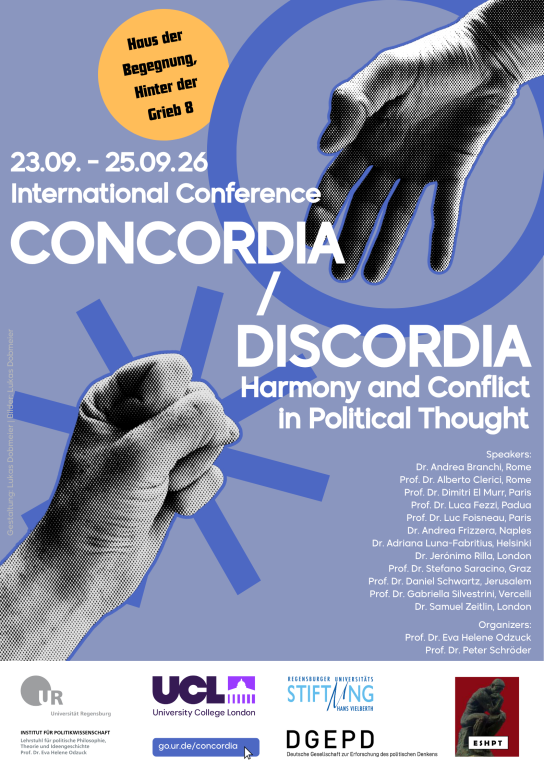
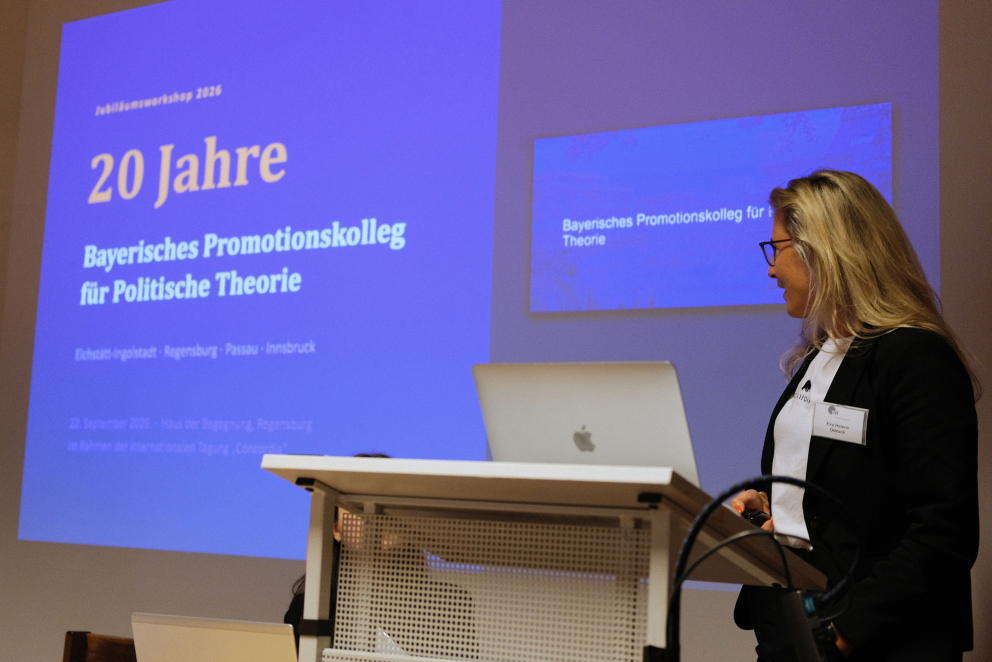
Previous Conference: International Conference “Concordia and Discordia – Harmony and Conflict in Political Thought”
Date: 23–25 September 2026
Venue: Haus der Begegnung, Hinter der Grieb 8, 93047 Regensburg, Germany
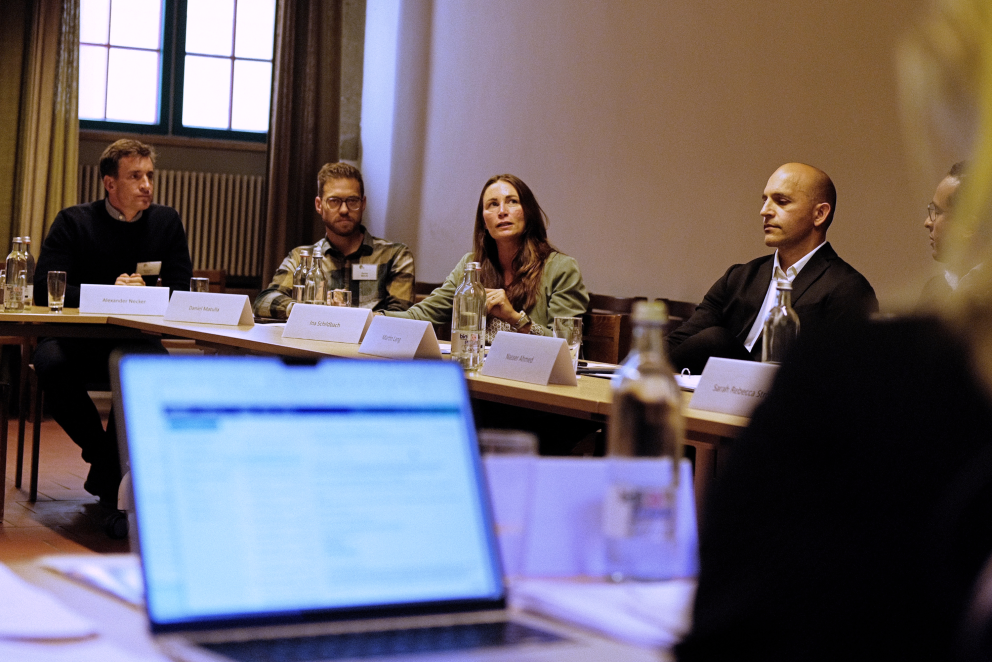
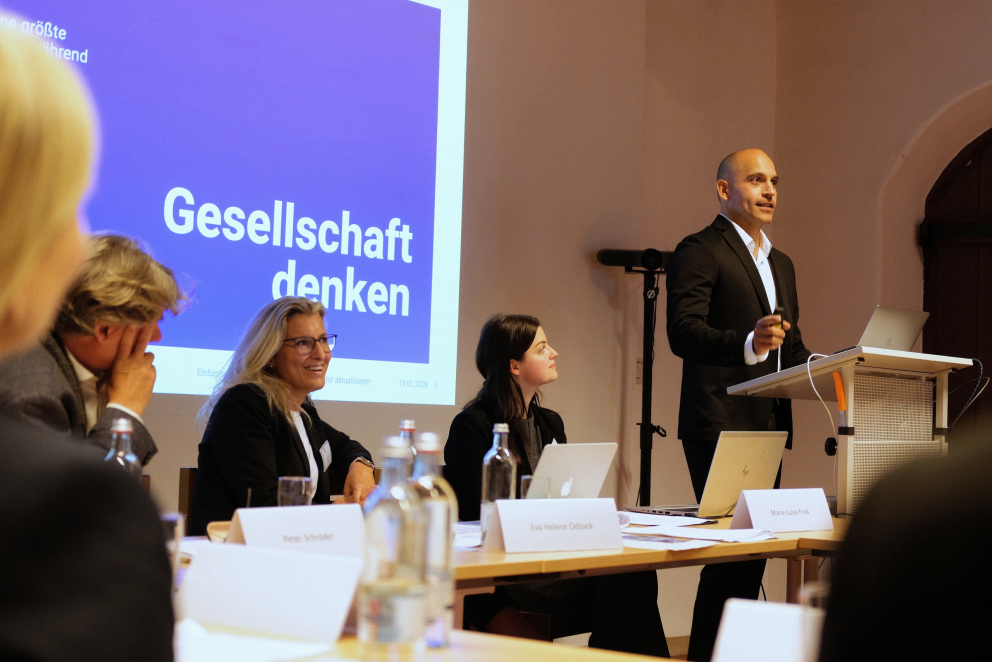
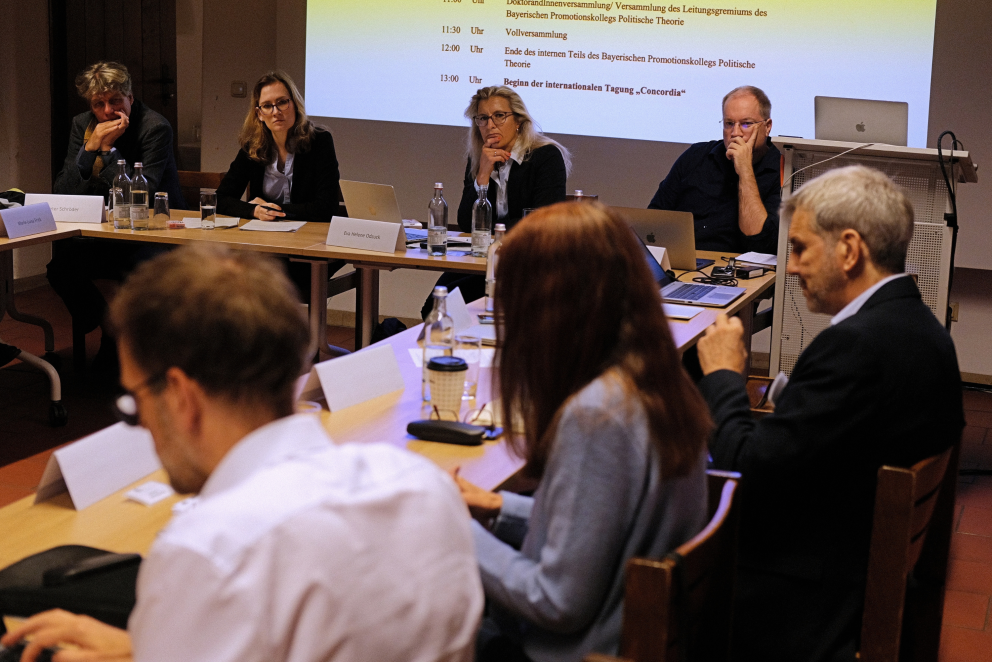
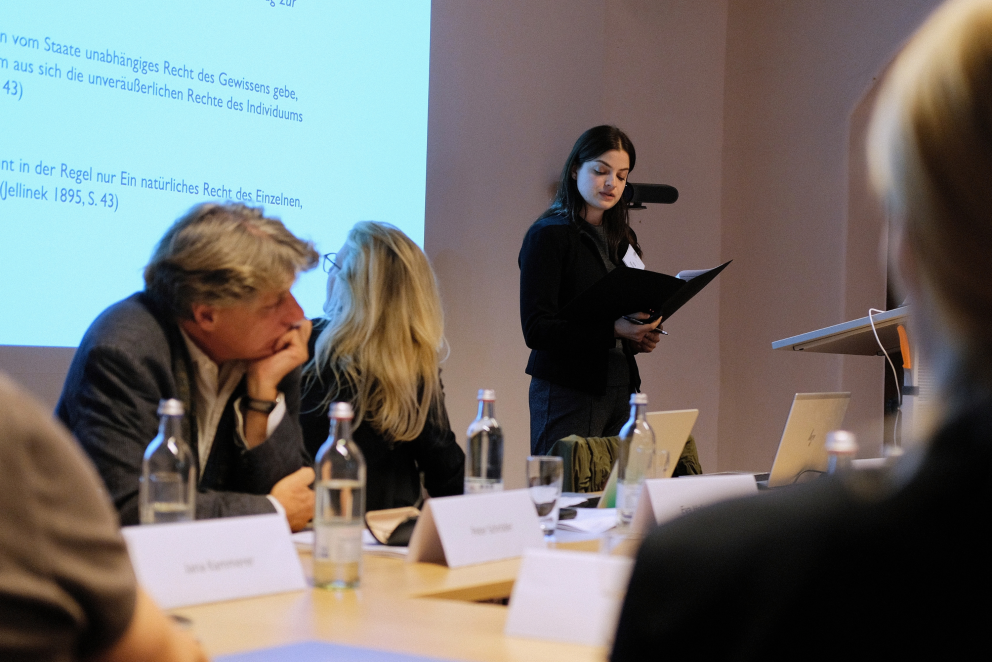
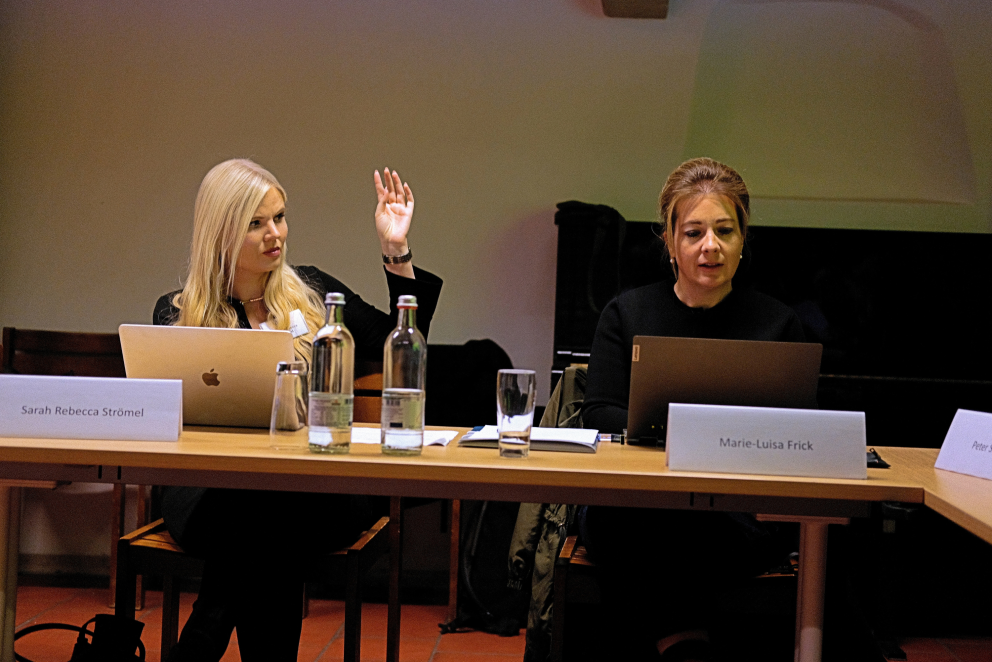
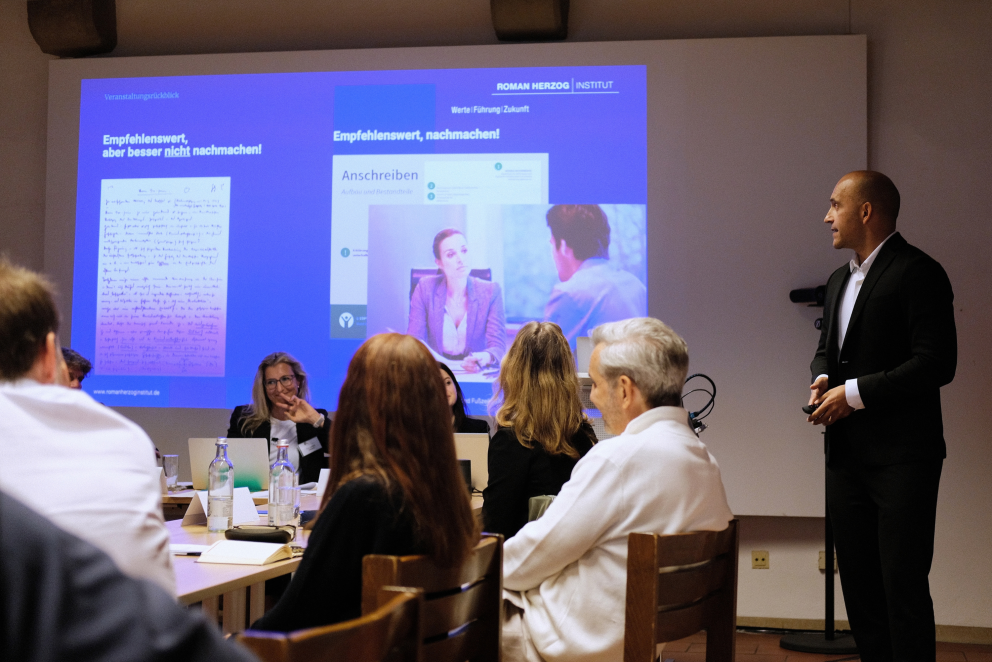
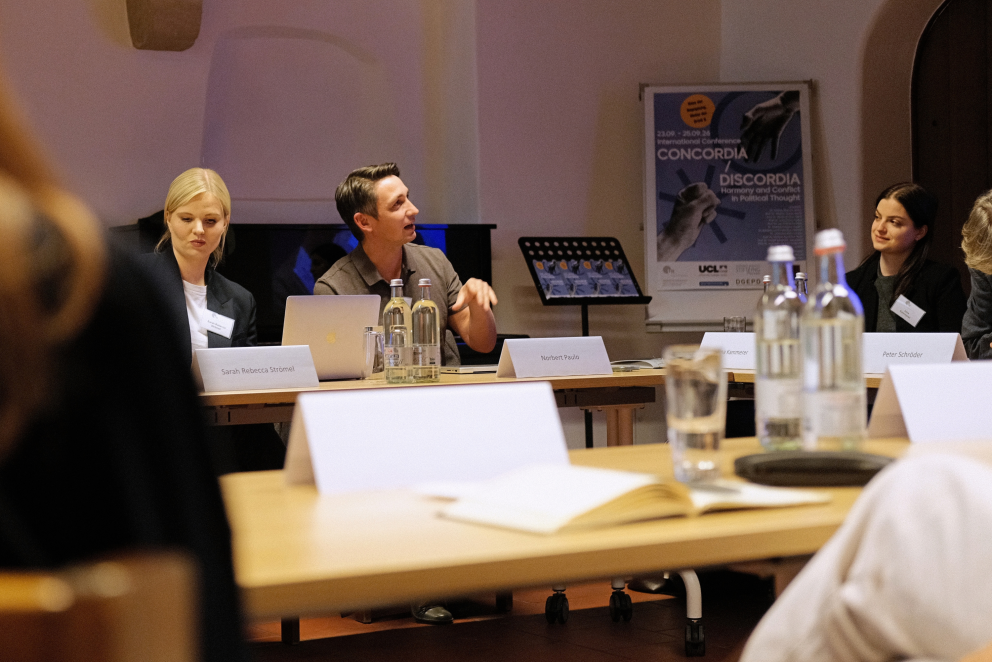
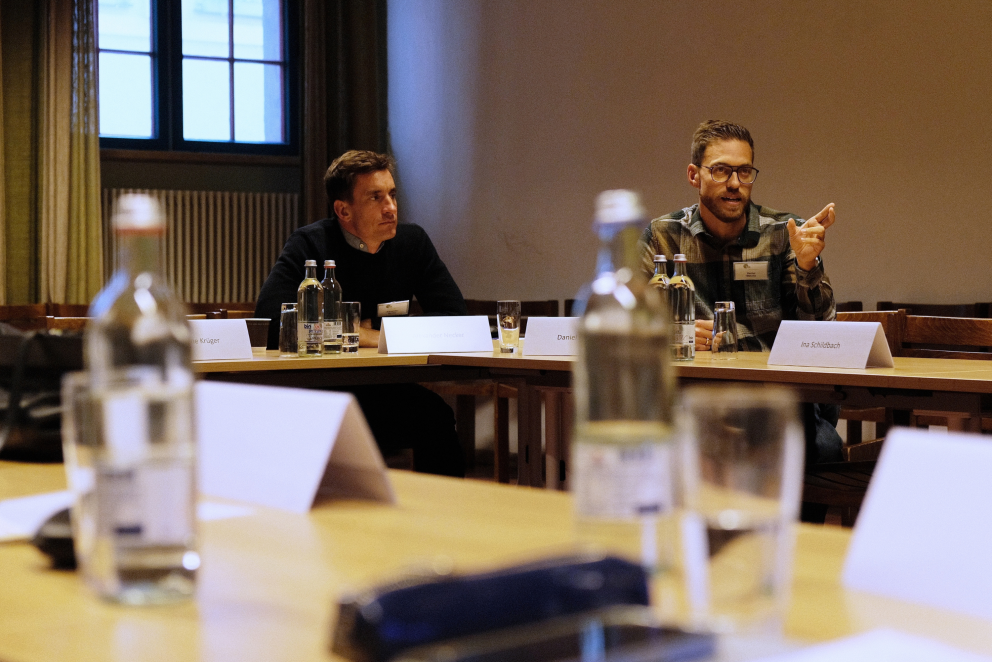
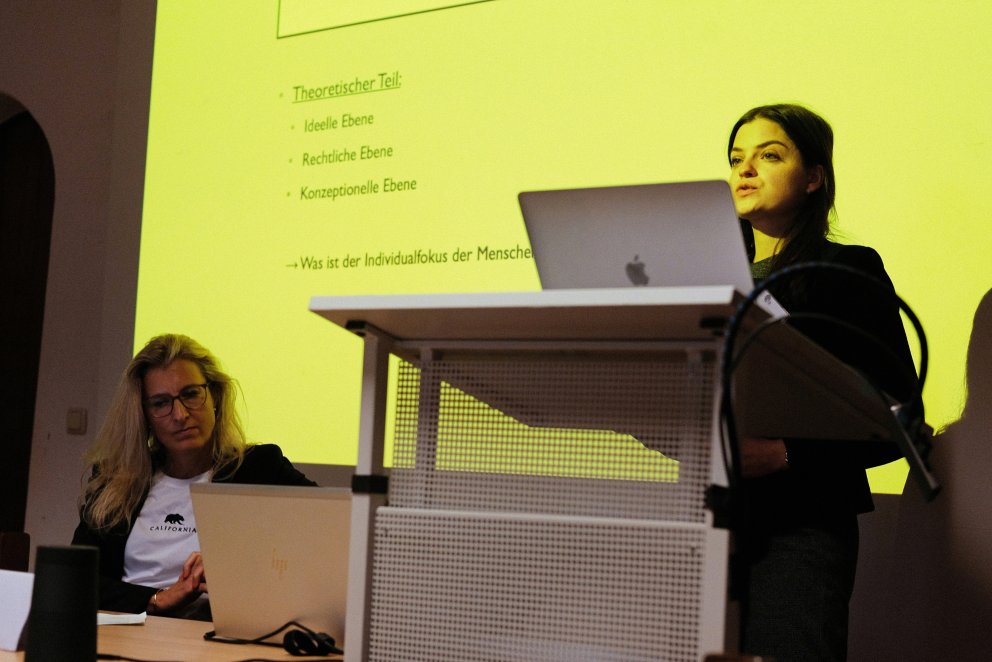
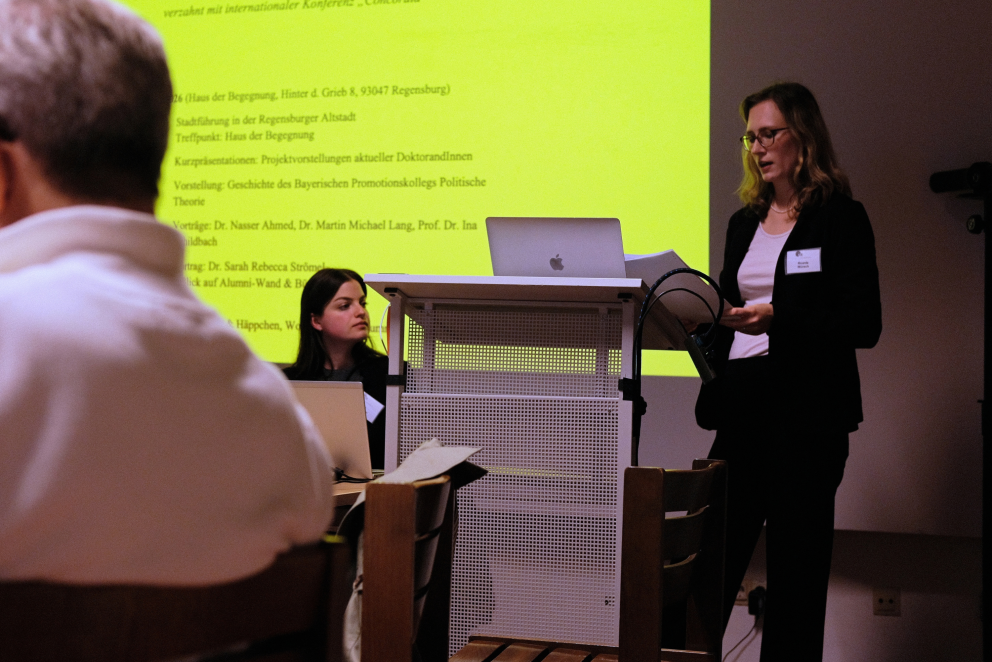
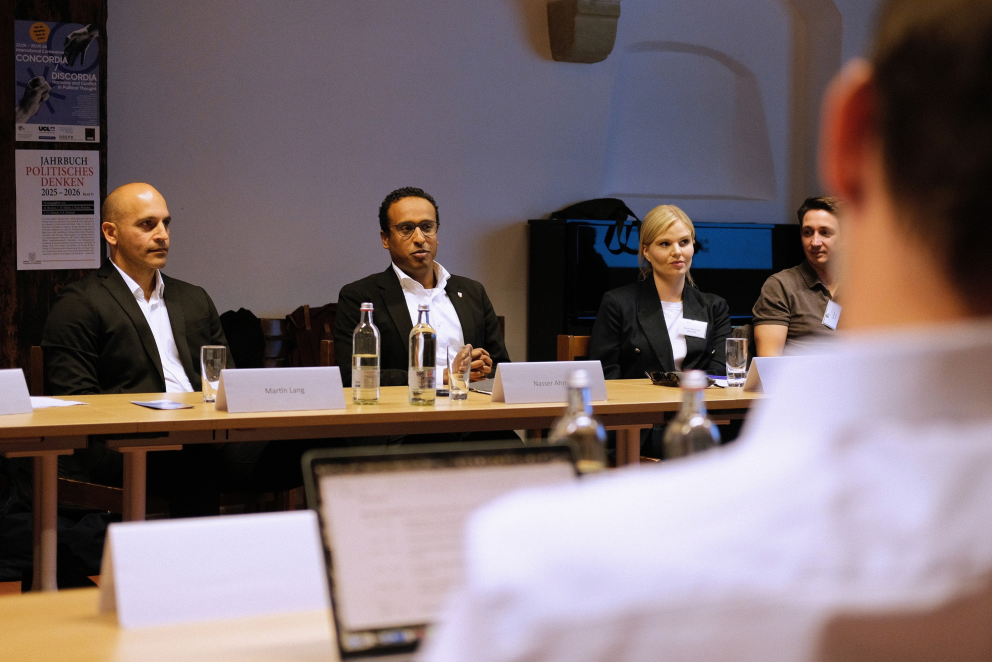
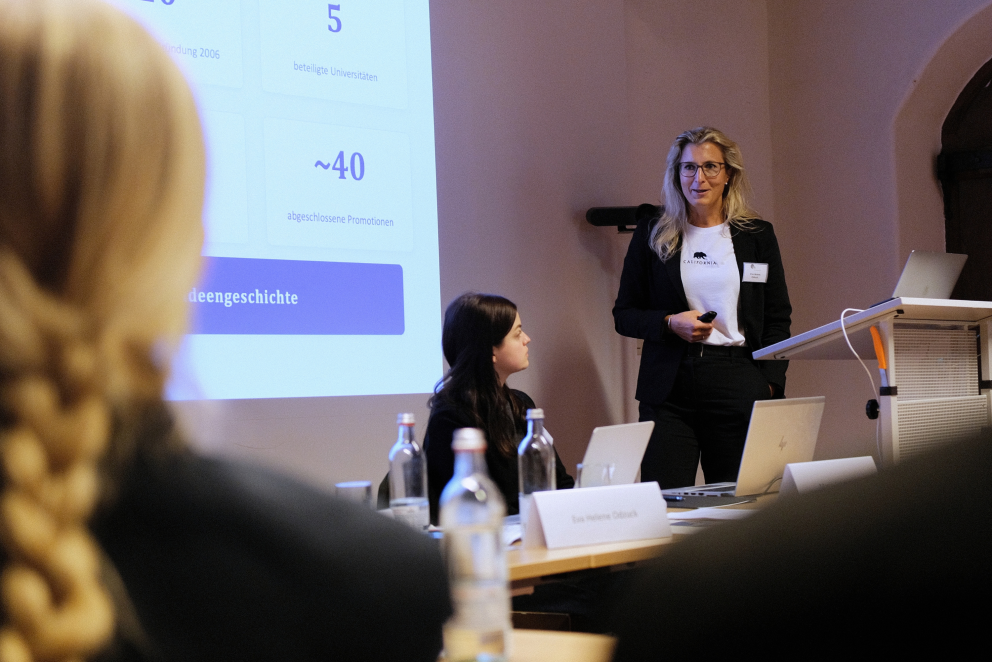
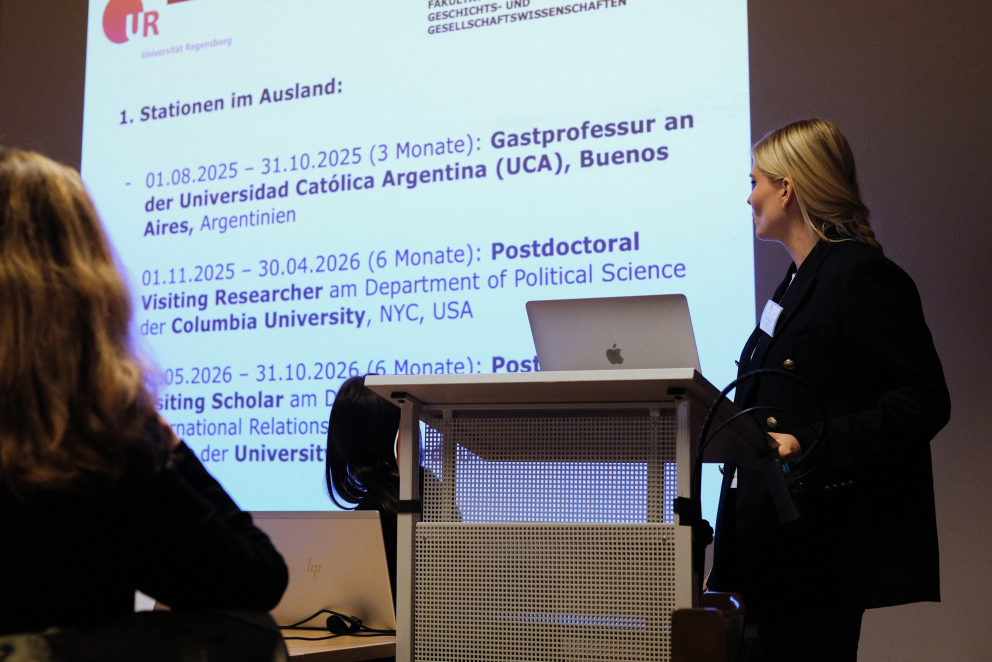
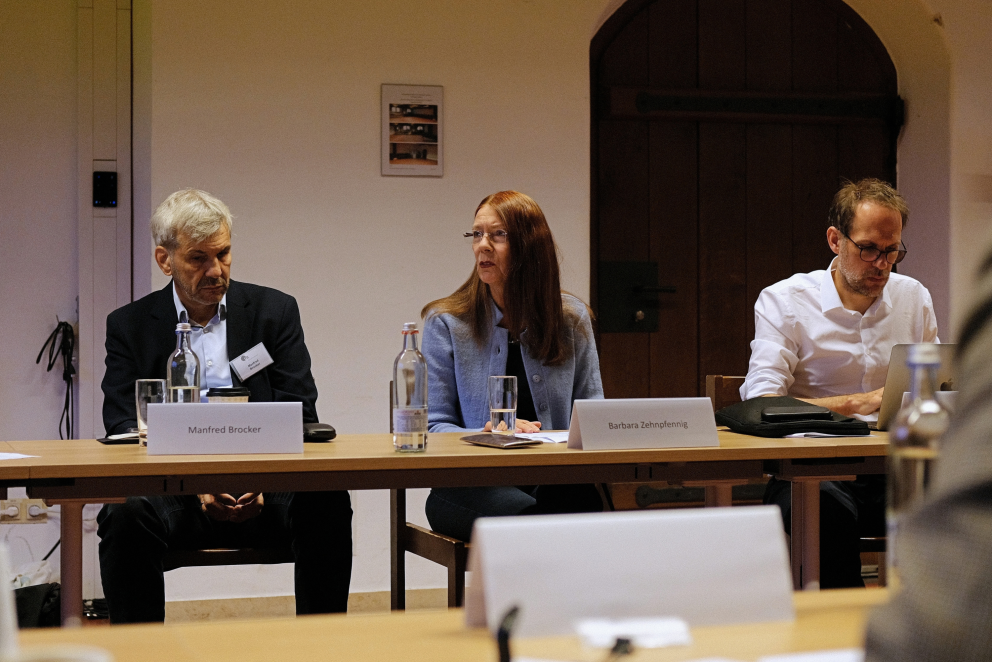
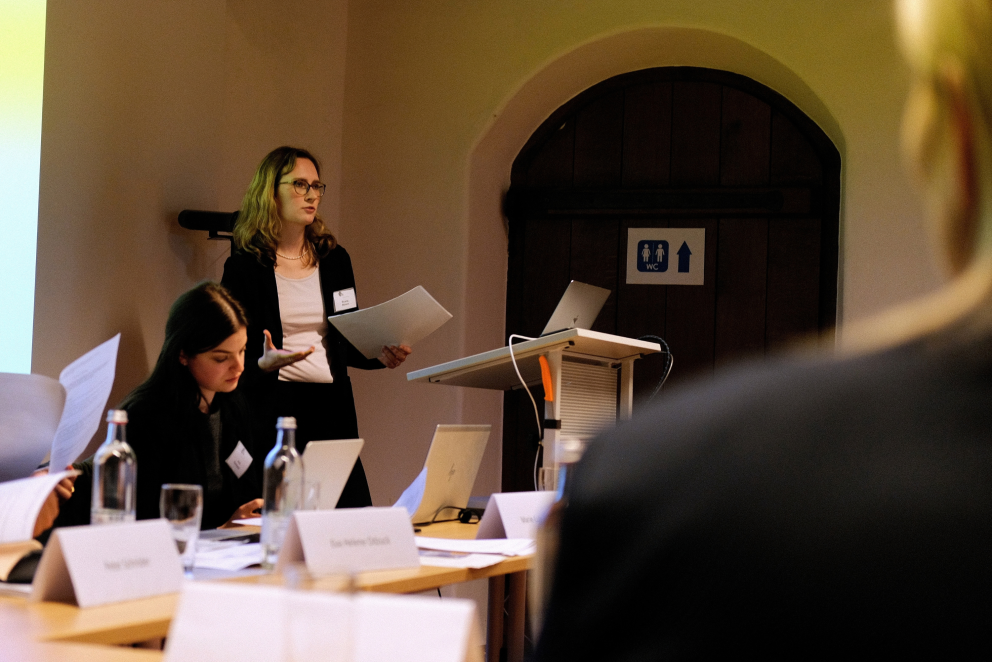
The international conference “Concordia and Discordia – Harmony and Conflict in Political Thought” explores different understandings of political harmony, conflict and social order in the history of political thought. Scholars from several European countries and Israel will discuss approaches ranging from antiquity and early modern political thought to contemporary political philosophy.
The conference is organised by Professor Eva Helene Odzuck and Professor Peter Schröder and will take place from 23 to 25 September 2026 at the Haus der Begegnung in Regensburg.

Previous Conference
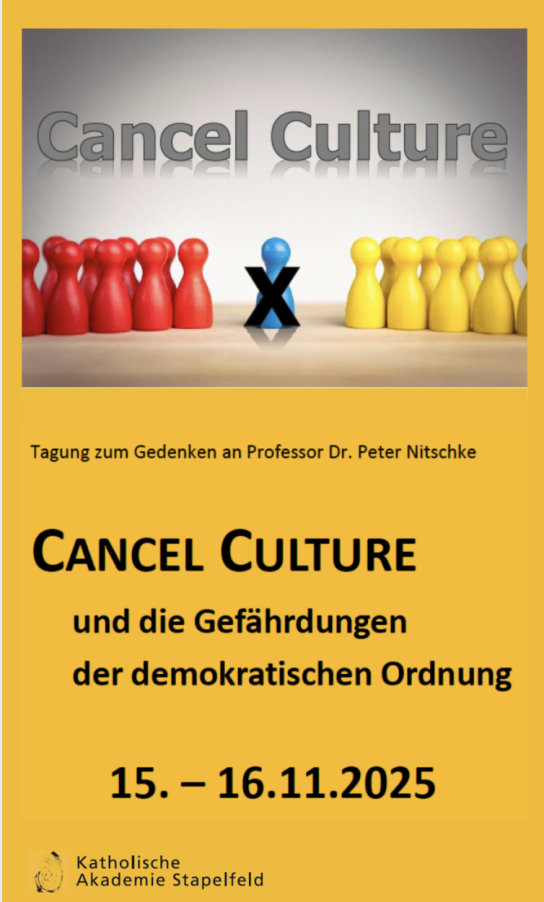
Cancel Culture and Threats to the Democratic Order
(Conference in Memory of Prof. Dr. Peter Nitschke)
Date: November 15–16, 2025
Venue: Catholic Academy Stapelfeld, Stapelfelder Kirchstraße 13, 49661 Cloppenburg
Organization: PD Dr. Marc Röbel & Prof. Dr. Rainer Lisowski
Conference Program
“Cancel culture” has become a widely used catchphrase and is interpreted differently—often in ideologically motivated ways—across the political spectrum. What is undisputed, however, is the observation that the term refers to a form of exclusion that seeks to silence individuals in the public sphere, socially, culturally, and above all politically.
The conference addressed this phenomenon from multiple perspectives, examining manifestations of cancel culture in politics, the economy, academia, and culture, and discussed possible courses of action and counter
Previous Conference
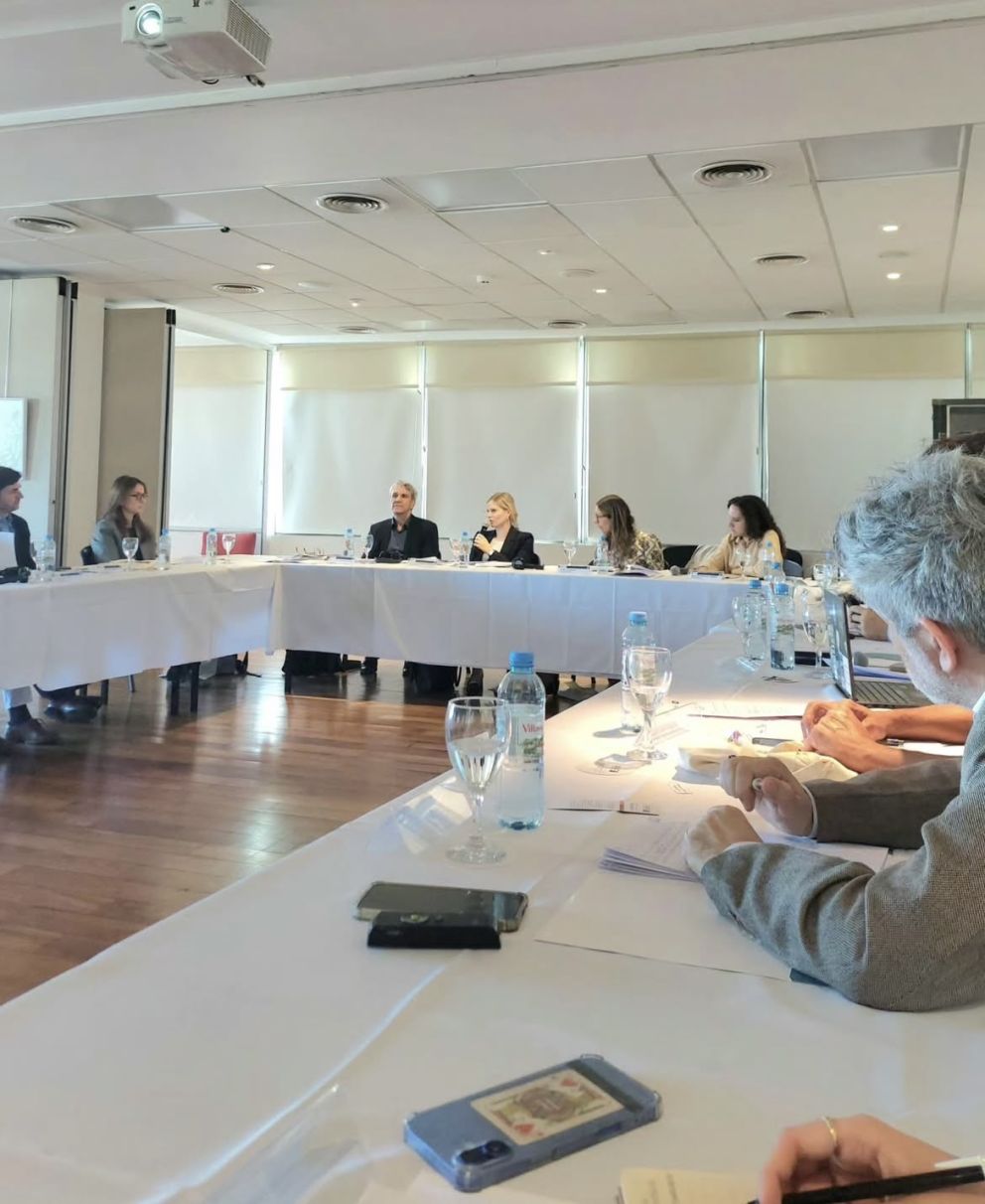
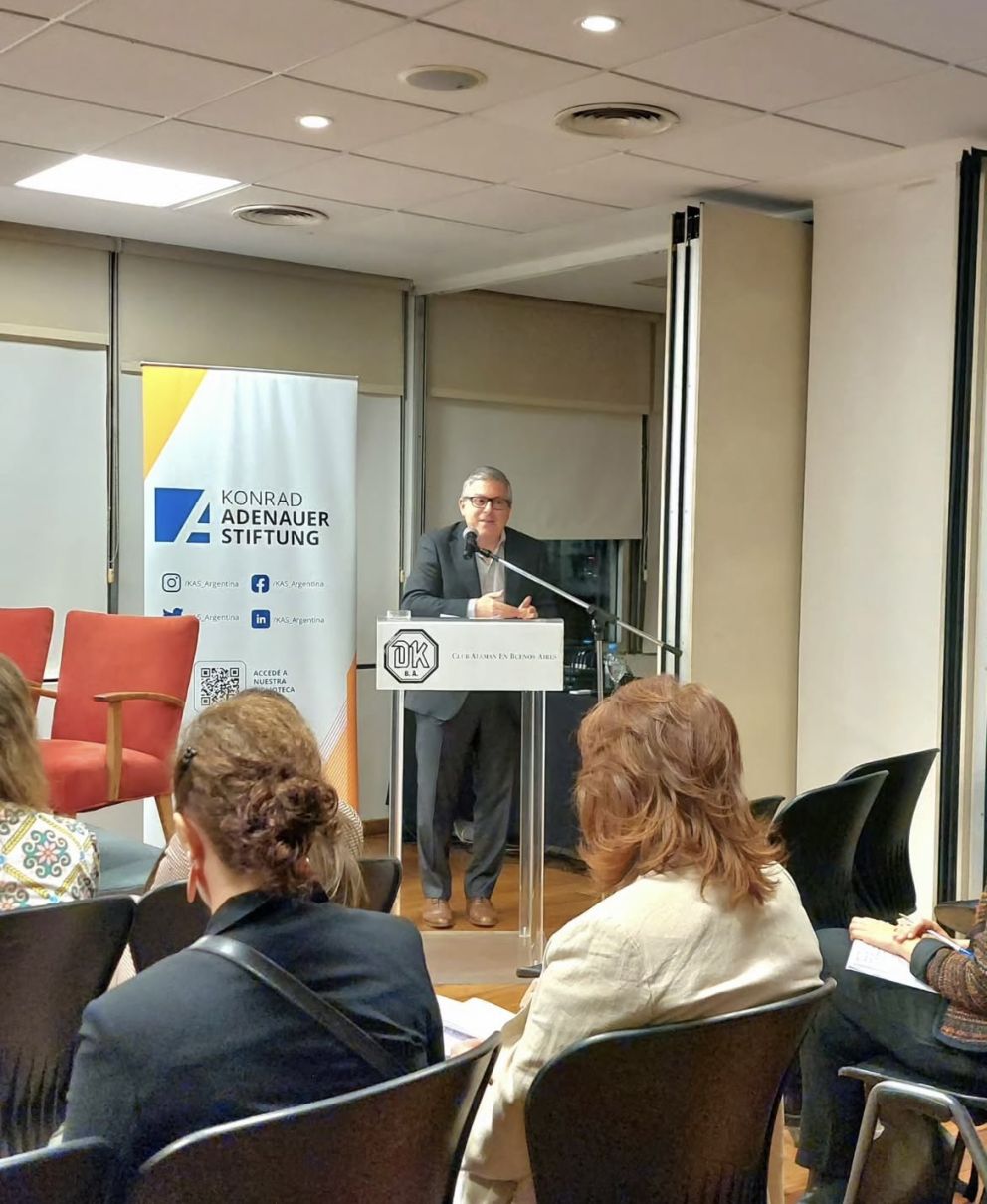
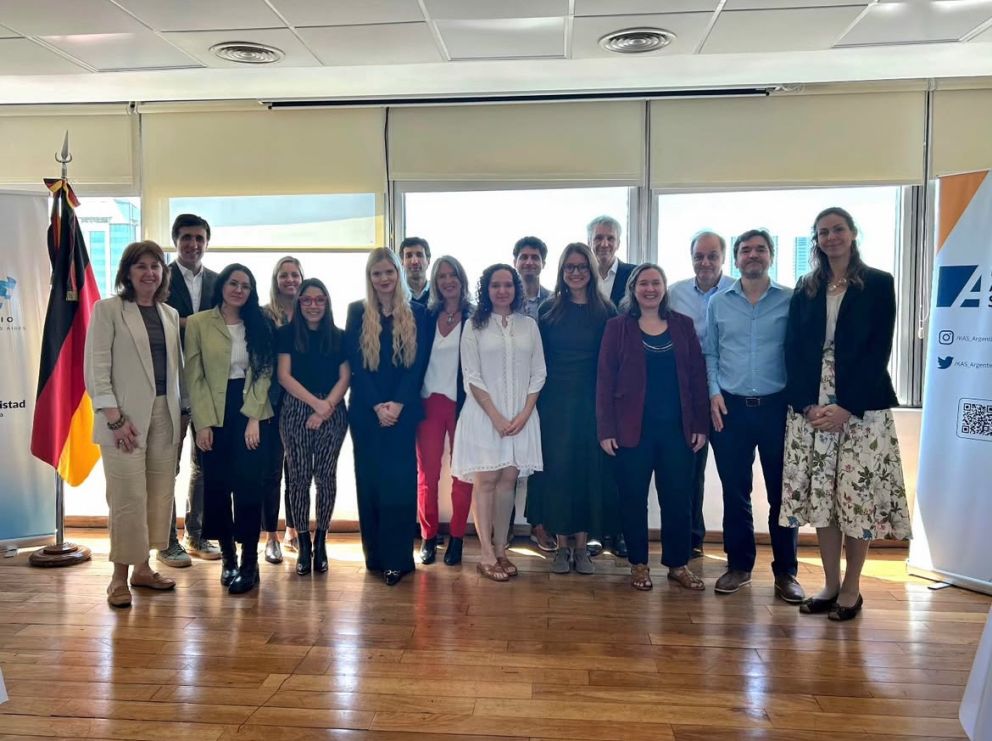
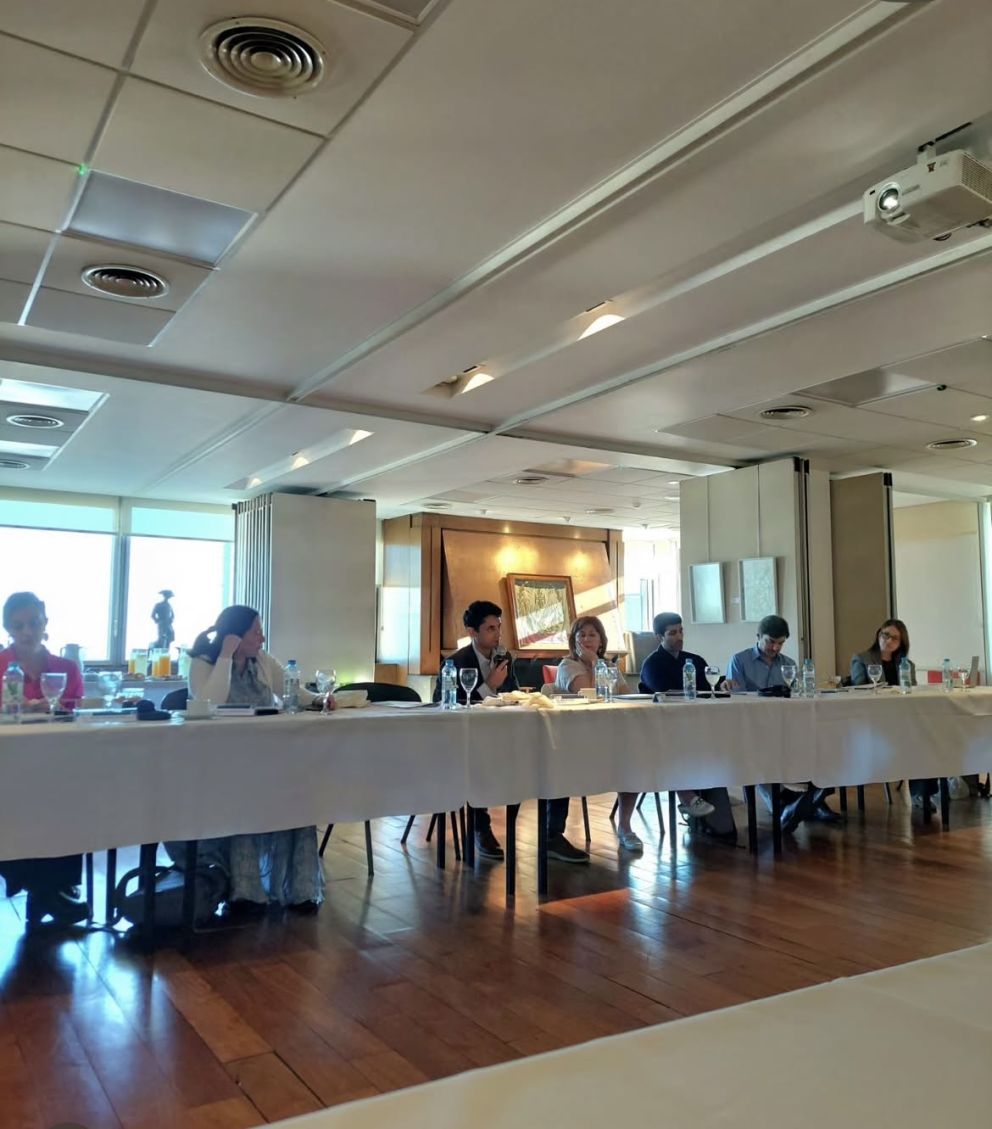
Social Media and the Internet as a Challenge for Democracy – Europe and Latin America in Comparison
(Expert Workshop)
Date: October 20–21, 2025
Location: Buenos Aires, Argentina
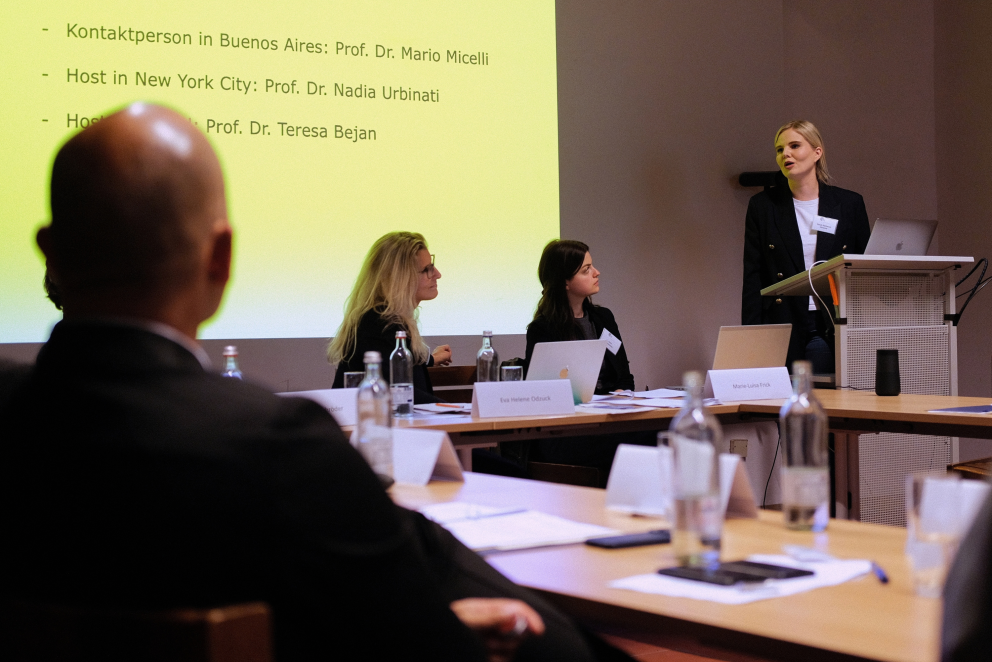
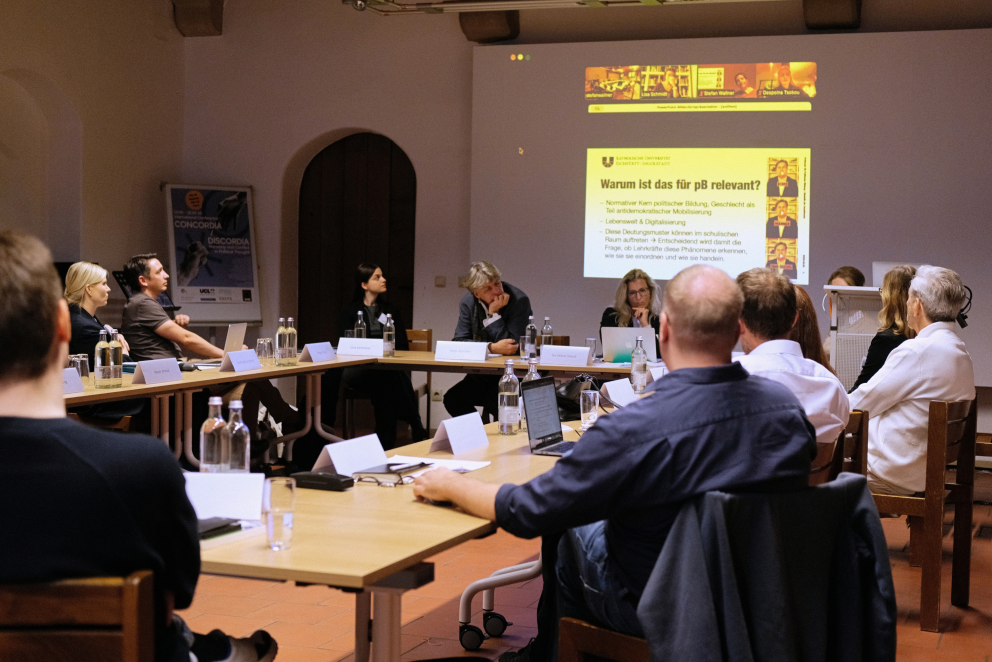
Organization: Prof. Dr. Dr. Manfred Brocker (Catholic University of Eichstätt-Ingolstadt) & Dr. Sarah Rebecca Strömel (University of Regensburg) & Susanne Käss (Konrad-Adenauer-Stiftung, Buenos Aires)
The expert workshop brings together scholars and practitioners from Europe and Latin America to discuss the democratic implications of digital transformation. Against the backdrop of growing polarization and disinformation, the conference explores how social media and online communication reshape political participation, public discourse, and the structures of democracy. Sessions address topics such as digital democracy, participation and polarization, fake news, and technological innovation in political communication.

Previous Conference
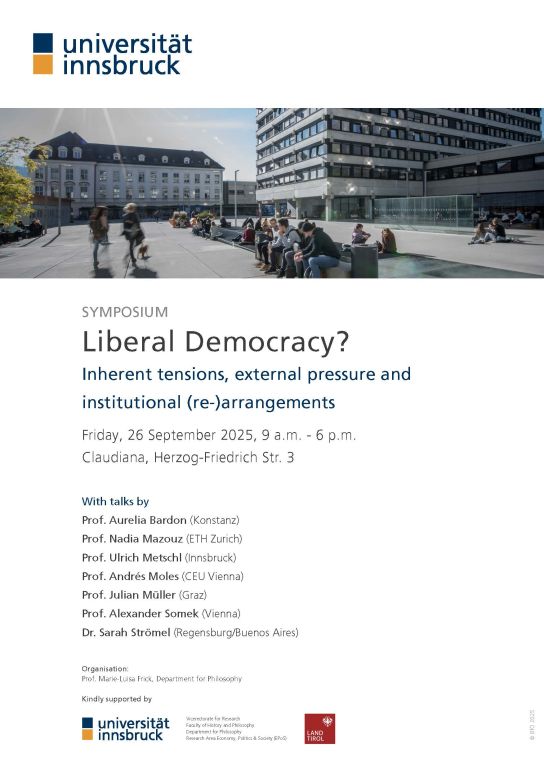
Symposium: Liberal Democracy? Inherent Tensions, External Pressure and Institutional (Re-) Arrangements
Date: September 26–27, 2025
Location: Claudiana, Herzog-Friedrich-Straße 3, University of Innsbruck, 6020 Innsbruck
Organized by: Prof. Marie-Luisa Frick
From political polarization and democratic backsliding to contested concepts of neutrality and state legitimacy: liberal democracy is increasingly confronted with both internal tensions and external challenges. The symposium brings together leading scholars in political theory to examine the conceptual foundations and institutional realities of liberal democracy today.
To attend the conference, please send an email to: Prof. Marie-Luisa Frick, Department of Philosophy, marie-luisa.frick_at_uibk.ac.at
Previous Conference
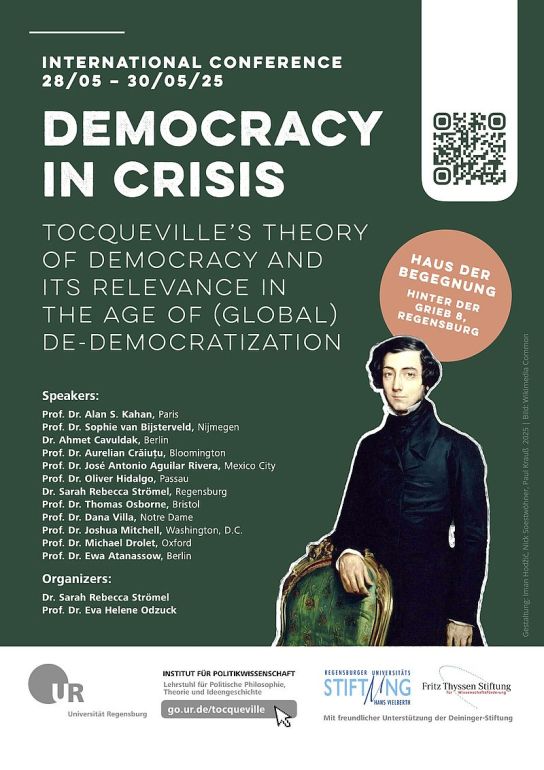
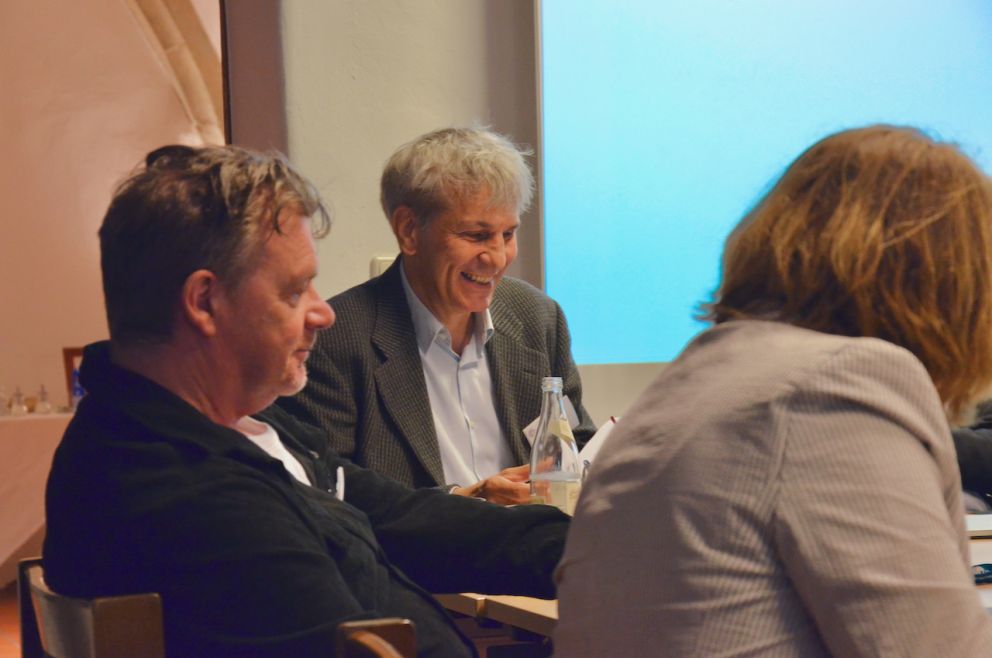
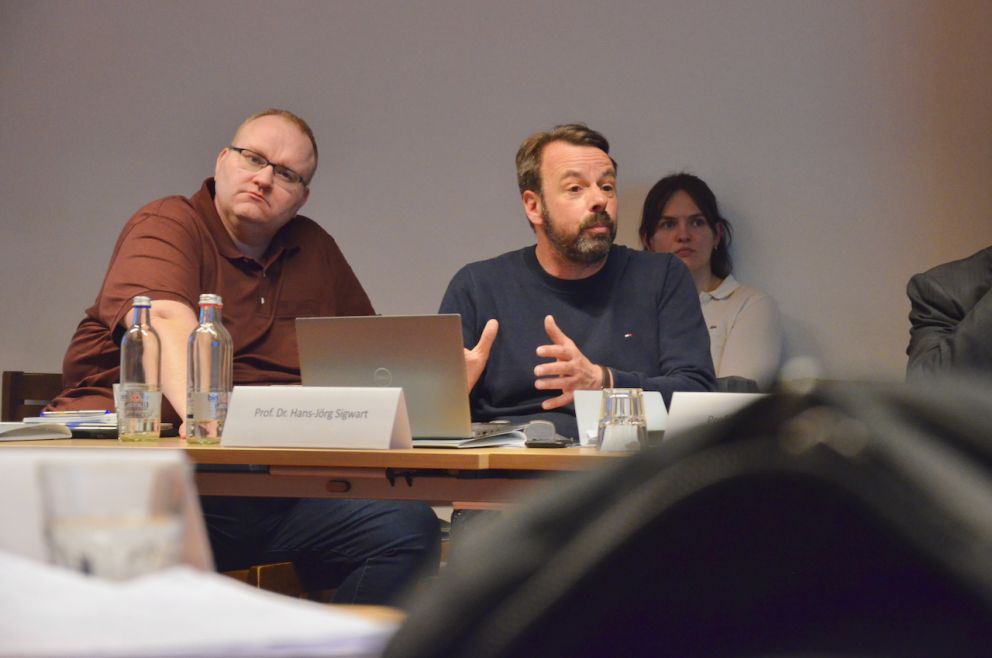
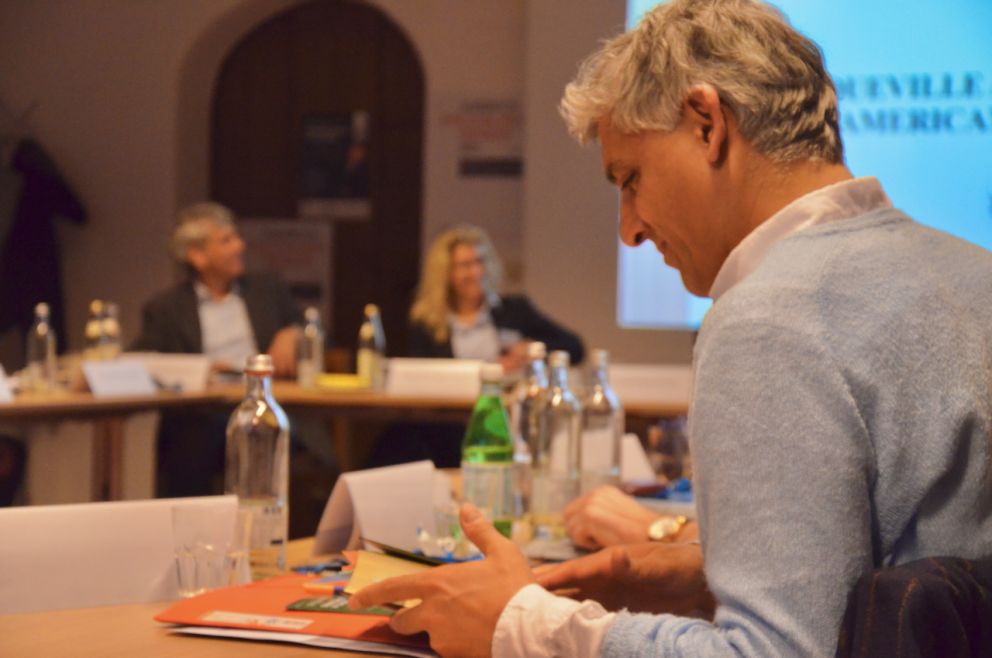
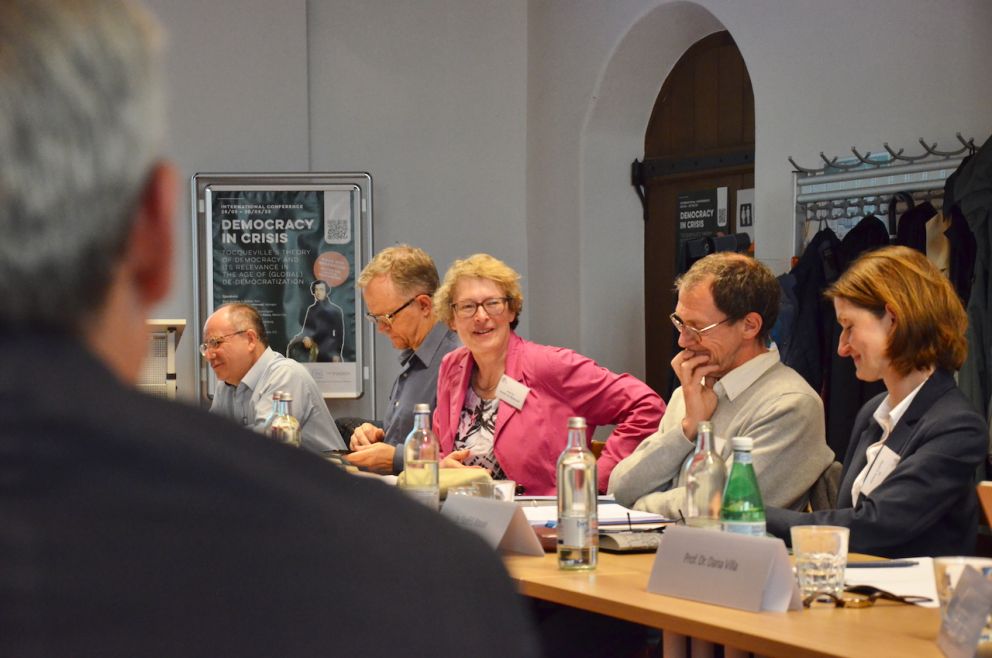
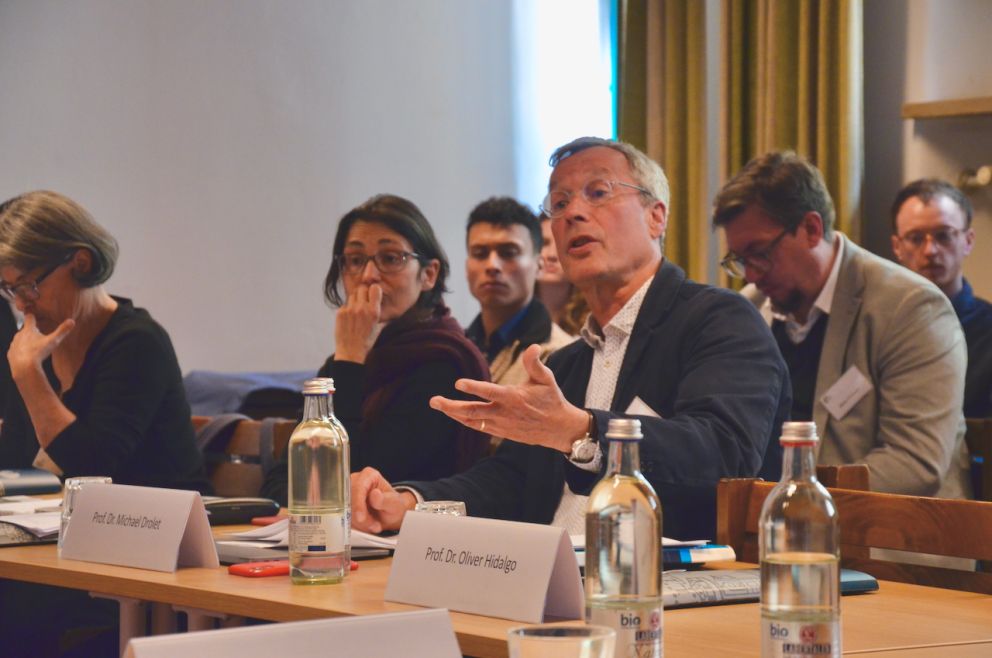
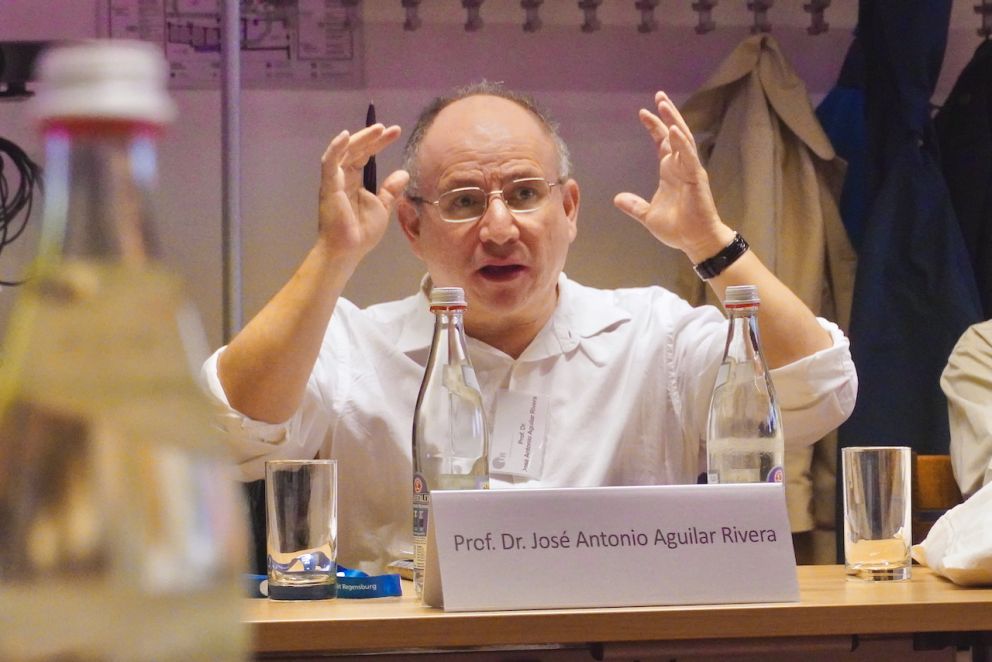
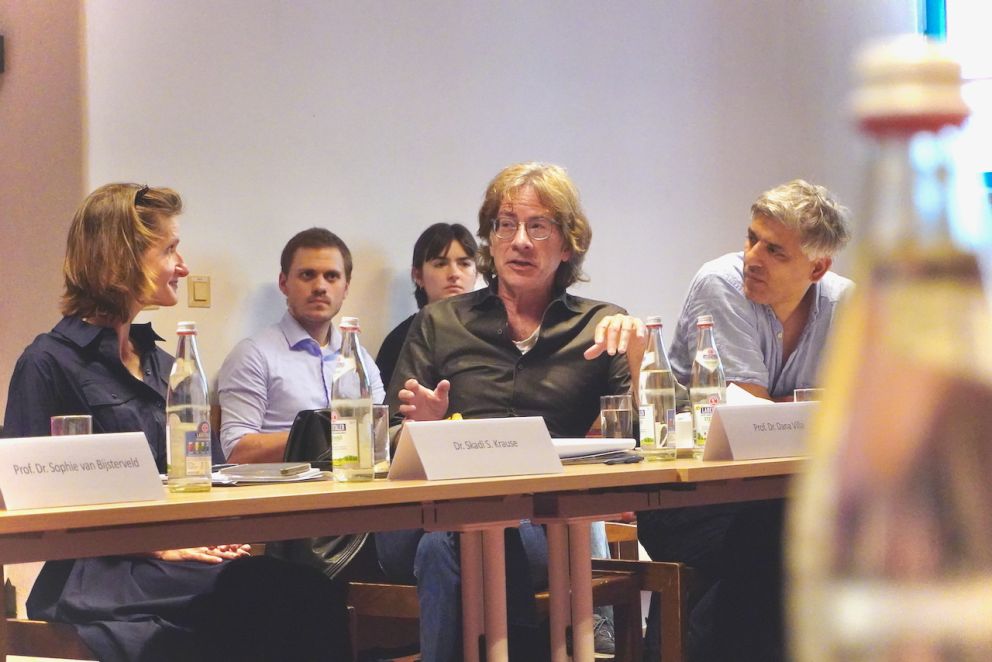
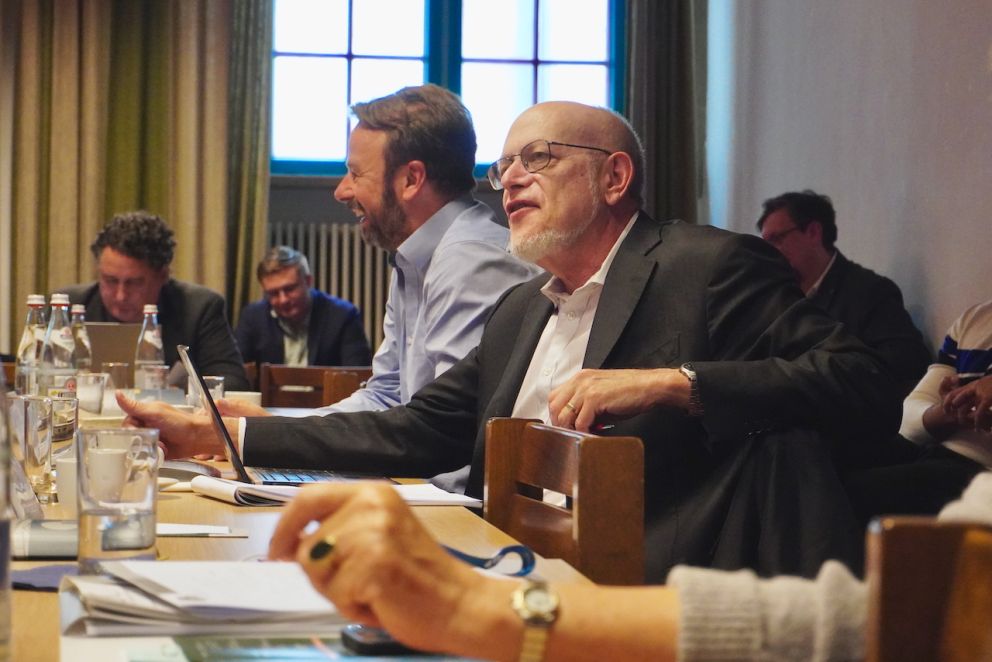
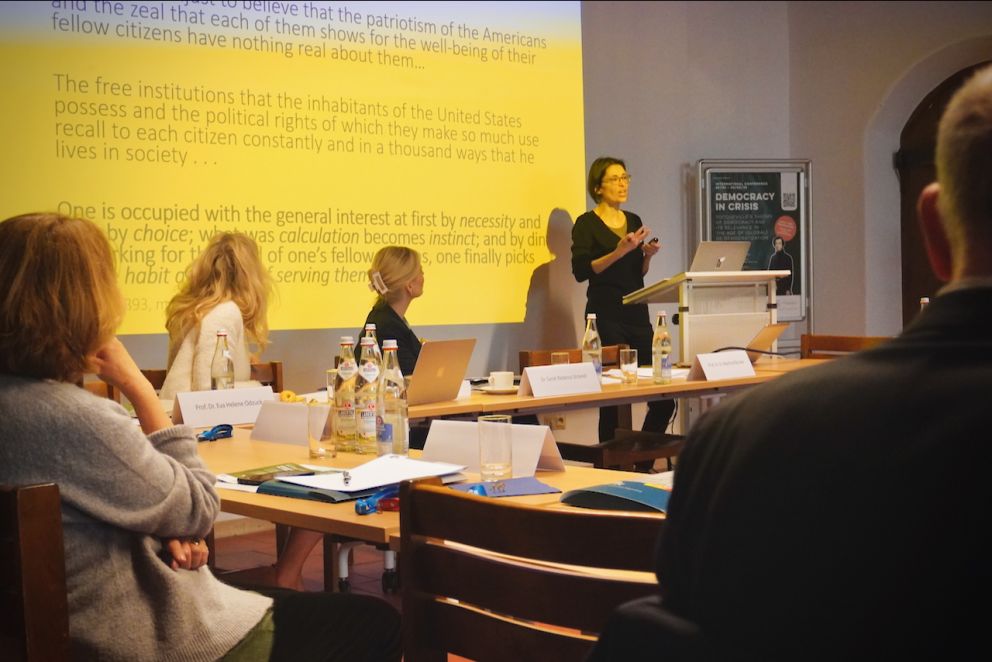
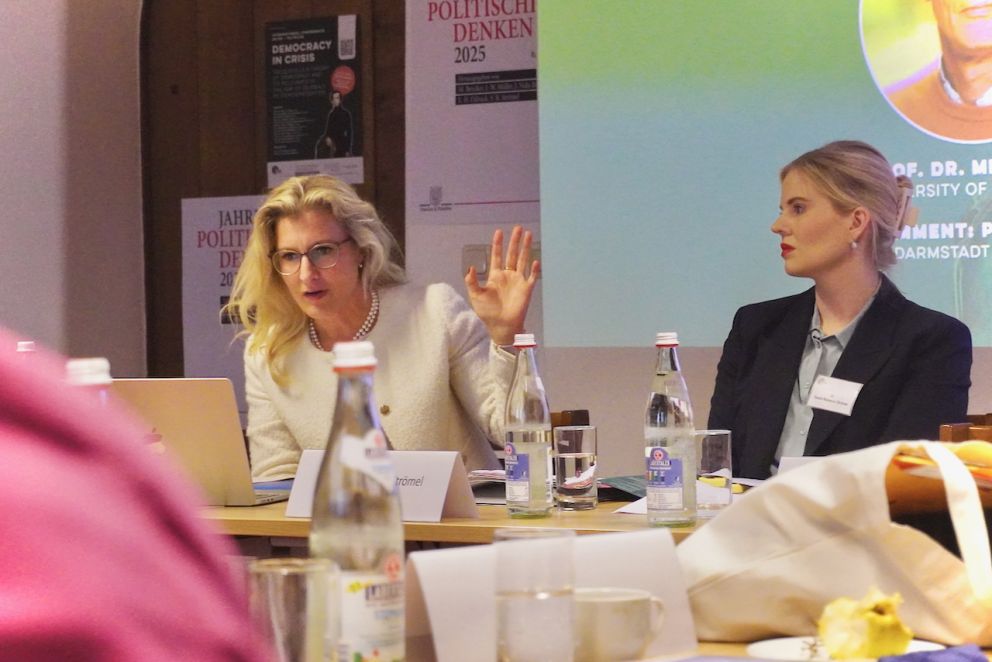
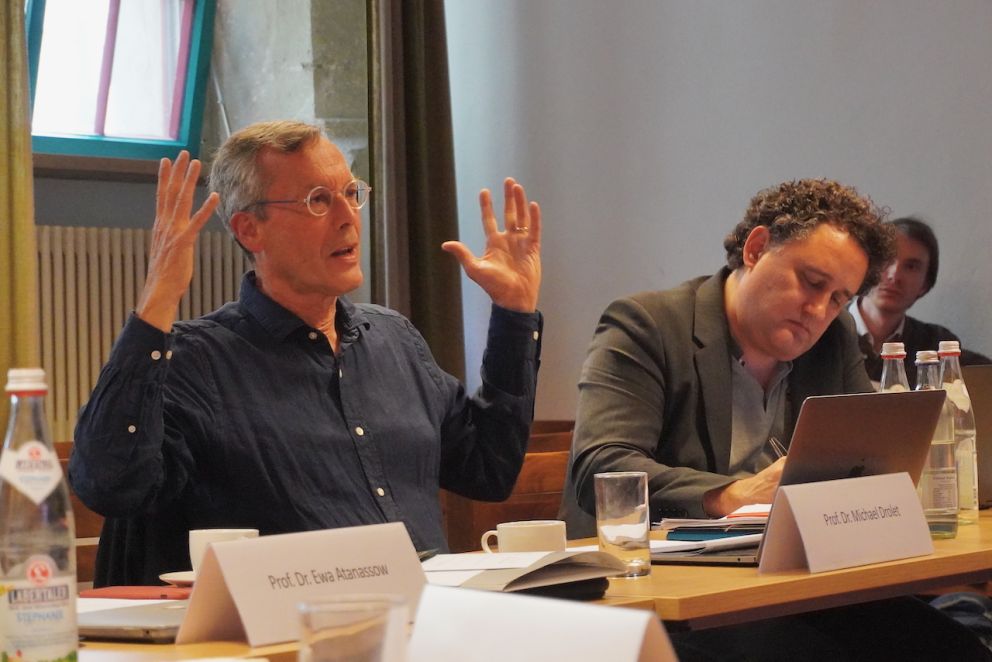
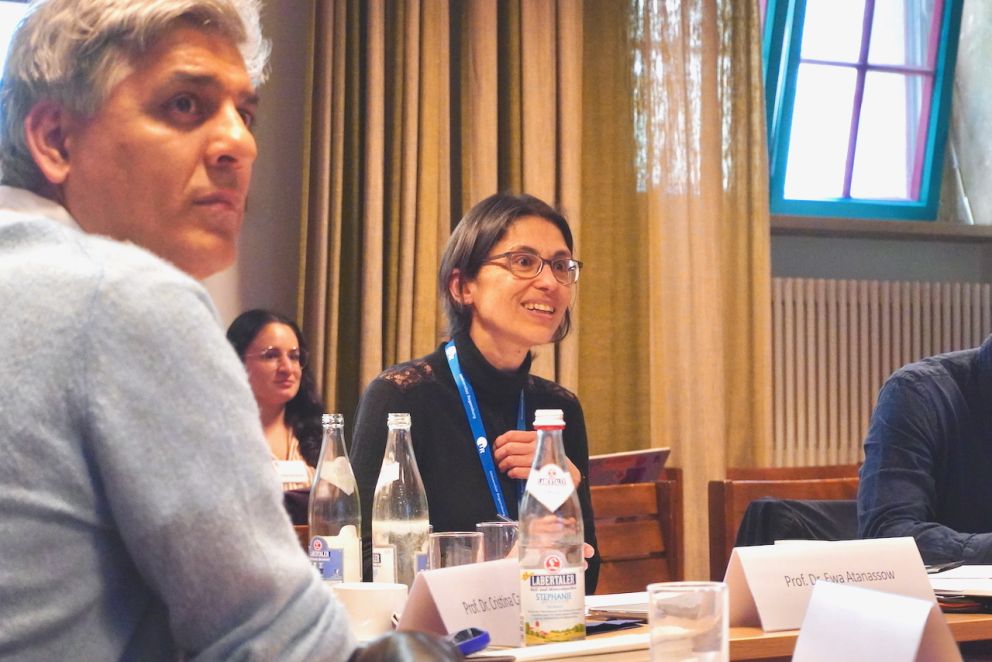
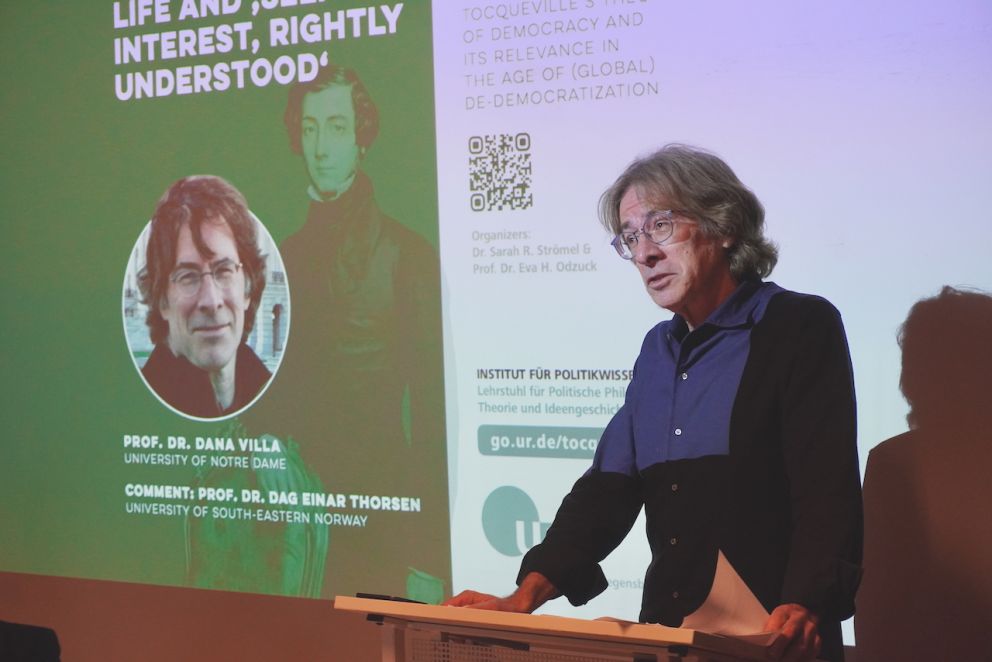
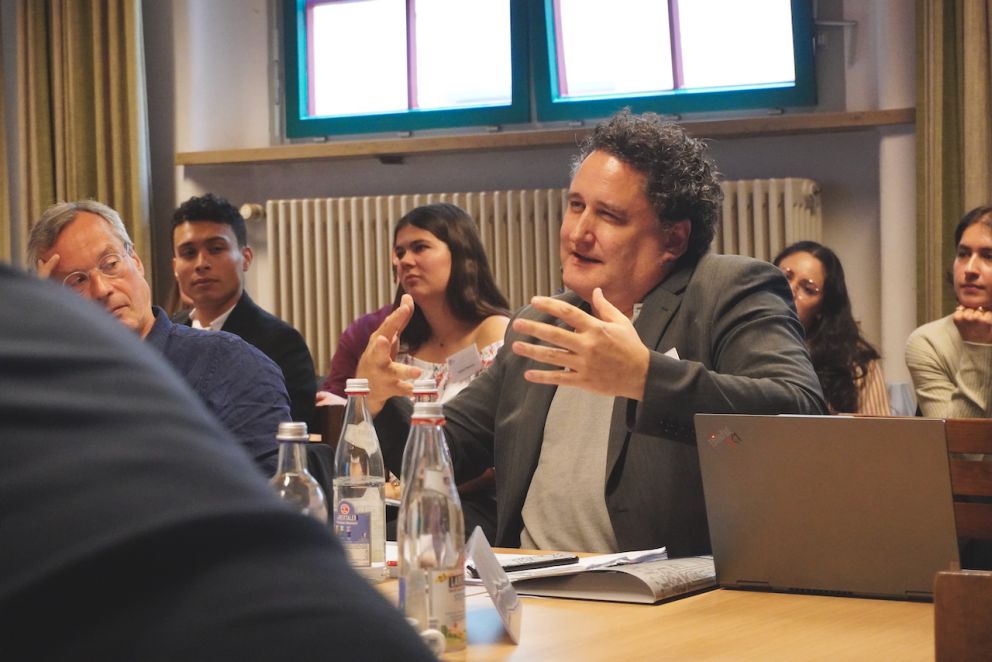
Conference: Democracy in Crisis: Tocqueville's Theory of Democracy and Its Relevance in the Age of (Global) De-Democratization
Date: May 28–30, 2025
Location: University of Regensburg, Haus der Begegnung, Hinter der Grieb 8
Organized by: Dr. Sarah Rebecca Strömel & Prof. Dr. Eva Helene Odzuck
View Conference Program
Liberal democracy is in crisis worldwide. Not only in comparatively young democracies, but also in (time-honored) democracies such as the USA, the foundations on which liberal, constitutional democracy is based are crumbling. As early as the 19th century, Tocqueville presented a ground-breaking theory of democracy and examined the bright and dark sides of democracy as a form of society and government in America and Europe.
While current political theory (especially radical democratic theory) concentrates on criticism of liberal democracy and its swan song, we want to revive Tocqueville's theory of democracy and use it in four systematic panels to ask whether liberal democracy can be saved rather than abandoned. The aim is to build a bridge between an analysis of current phenomena of democratic crisis on the one hand and the reconstruction of central elements of Tocqueville's theory on the other.
To attend the conference, please send an email toricarda.wuensch_at_ur.de before the 15th of May 2025.
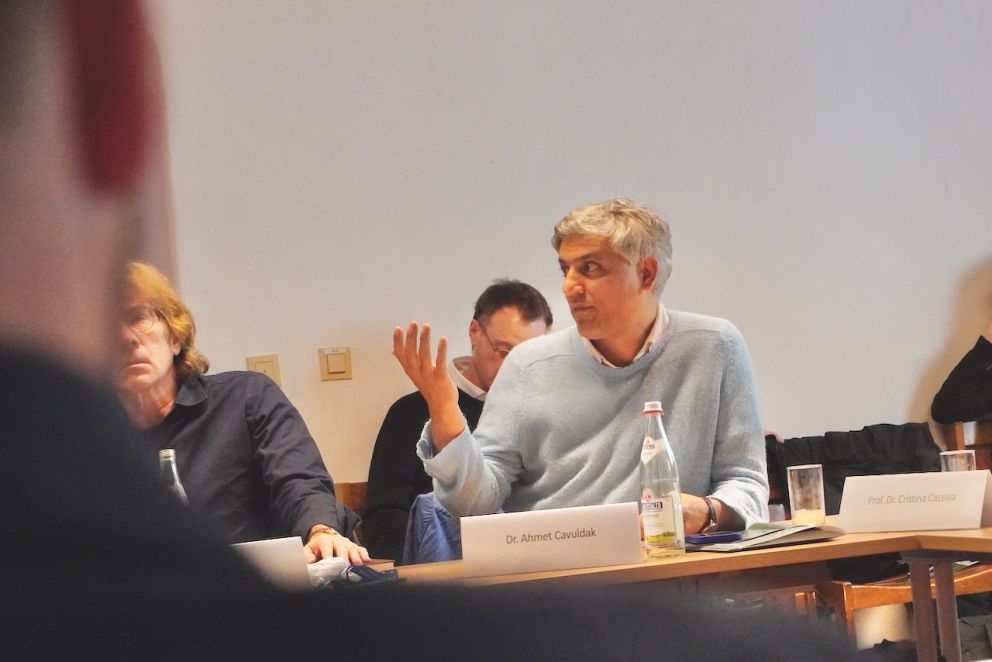
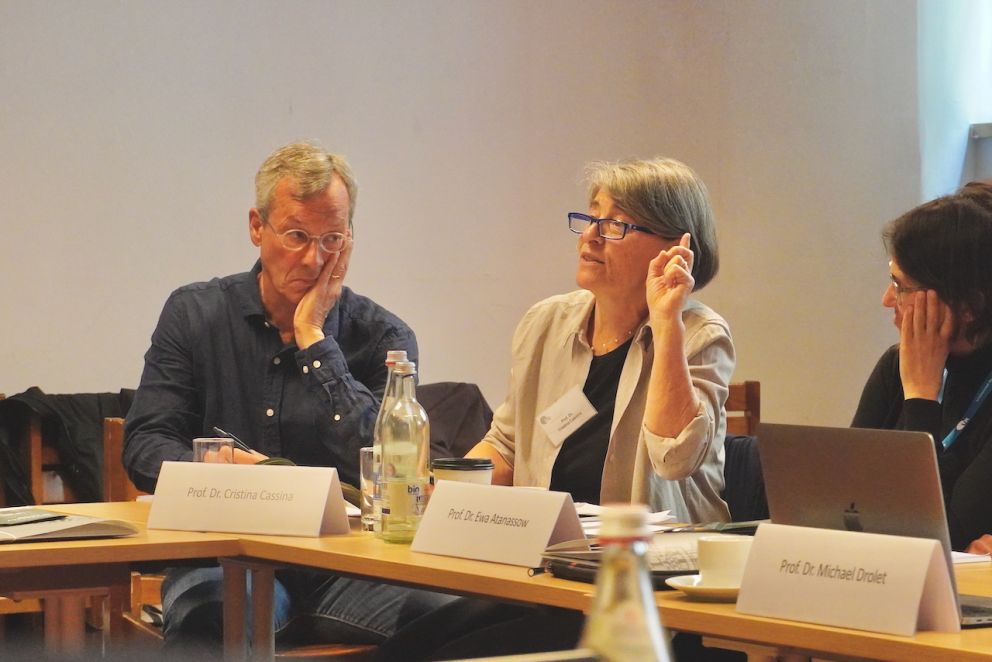

Previous Conference
“Perspectives on Human Rights: Historical, Conceptual, Political”
Date: February 11–12, 2025
Venue: University of Regensburg, Haus der Begegnung, Hinter der Grieb 8
Organization: Prof. Dr. Daniel Eggers, Prof. Dr. Eva Odzuck
The idea of human rights is central to our modern democratic self-understanding. Scholarly research and reflection on human rights are of particular importance at times when the fundamental values of democracy are increasingly under threat.
The aim of the conference “Perspectives on Human Rights: Historical, Conceptual, Political” was to bring doctoral candidates and postdoctoral researchers from political philosophy, political theory, and the history of ideas into dialogue with scholars who approach the idea of human rights from different perspectives. The conference sought to contribute to an interdisciplinary discourse that connects historical analysis, philosophical and conceptual reflection, and practical political application.
The conference was organized in cooperation with the Bavarian Doctoral Program in Political Theory and also served as the Annual Conference of the German Association for the Study of Political Thought (DGEPD).
International Conference: “How to Dis/Agree Like Friends”
Date: June 12–14, 2024
Venue: Haus der Begegnung, Hinter der Grieb 8, 93047 Regensburg
The conference addressed the significance and current challenges of democratic debate culture. It examined the increasing coarsening of public discourse and the associated risks to democratic values. Particular attention was paid to polarization, aggressiveness, and a growing indifference to truth, which were discussed as symptoms of a potential democratic crisis.
Contributions explored the role of fundamental concepts such as civility, political friendship, and the category of the “enemy” in democratic practice. The conference discussed whether current patterns of communication are compatible with democratic ideals and how traditional concepts, in updated form, might serve as guiding principles for democratic debate culture. The erosion of conceptual meaning and the inflationary use of certain accusations were also examined as potential threats to democratic legitimacy.
Another key focus was the role of digital communication, particularly in relation to the spread of conspiracy theories and “rumors” that may undermine trust in democratic processes. The use of masks and anonymous identities in digital spaces was likewise identified as a challenge for democratic debate culture.
In conclusion, the conference demonstrated how the history of political thought—through concepts such as friendship and the analysis of past crises—can contribute to interpreting contemporary phenomena in democratic debate.